
What Are Ants?
Ants are not random. They're organized. Persistent. Purpose-driven.
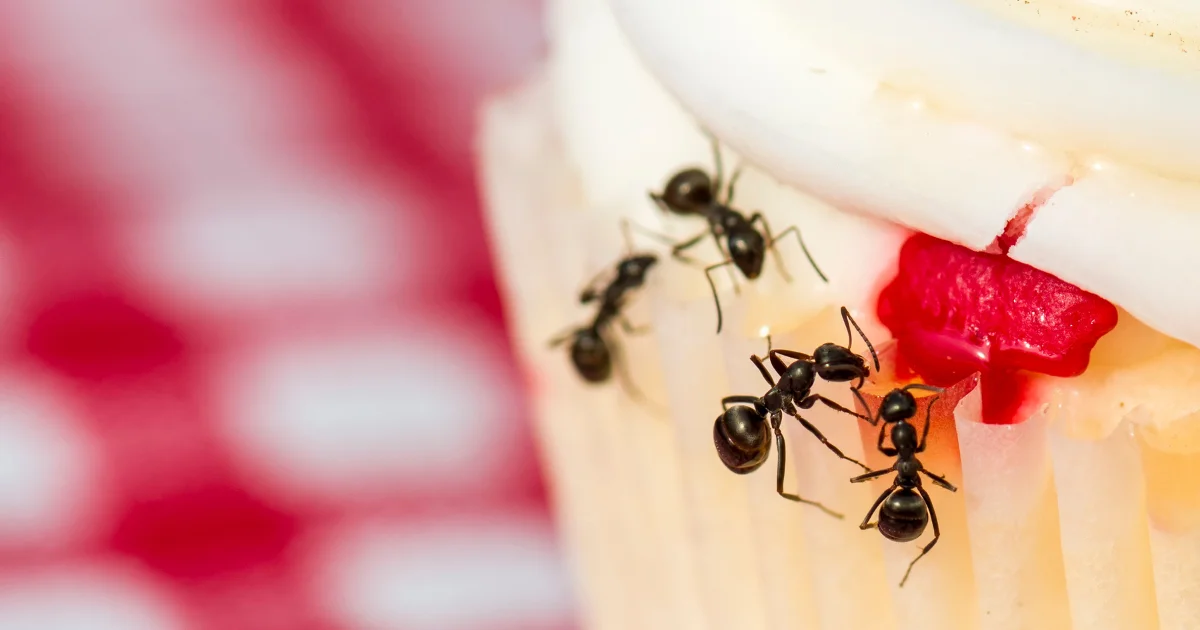
They march because there's something worth marching toward—crumbs, moisture, pet food, warm wall voids. What looks like chaos is actually coordinated foraging by a colony that may number in the hundreds of thousands.
And unlike other pests, ants don't just enter. They map.
Once a scout finds something valuable, it lays a chemical trail. That trail becomes a superhighway. Within hours, what started as one ant becomes an army.
Control starts with understanding the system. And dismantling it from the inside out.
Types of Texas Ants
There are more than 250 species of ants in Texas. But only a handful consistently invade homes and yards.
1. Fire Ants (Solenopsis invicta)
Aggressive. Territorial. Known for their painful stings. They nest in soil and attack anything that disturbs the mound—including people and pets. Left untreated, they spread fast and pose serious risk to children and outdoor pets.
2. Carpenter Ants (Camponotus spp.)
Large, black or reddish-black ants. They don't eat wood—they excavate it to build galleries. Often mistaken for termites. If you hear faint rustling in the walls at night, these may be the culprits.
3. Odorous House Ants (Tapinoma sessile)
Small, dark brown ants that emit a rotten coconut smell when crushed. Nest indoors or in wall voids. Often seen in kitchens and bathrooms.
4. Pharaoh Ants
Tiny, pale yellow ants notorious for infesting hospitals, apartments, and food prep areas. Incredibly hard to eliminate with sprays—spraying often makes the problem worse.
Each ant species requires a different control protocol. Misidentification leads to failure. We don't guess. We test and verify.
Identification Guide
Size
Ranges from 1/16 inch (Pharaoh ants) to over ½ inch (Carpenter ants)
Color
Black, brown, red, or a mix—color alone isn't enough
Shape
Ants have segmented bodies with a narrow waist, elbowed antennae, and usually two compound eyes
Behavioral Signs
- Trails across countertops or walls
- Winged swarmers near windows (often mistaken for termites)
- Mounds of dirt in yards (especially fire ants)
- Rustling sounds in walls (carpenter ants)
- Persistent return to a food source even after cleaning
Ants are opportunistic but systematic. The moment food or moisture becomes available, they'll exploit it.
Signs of Infestation
Ant activity often starts small. A few scouts here. A trail there. But without intervention, colonies expand, relocate, and entrench.
Common Indicators:
- Recurring trails in the same location
- Ants emerging from electrical outlets or vents
- Mounds in soil, mulch, or next to foundations
- Winged ants inside the home (reproductive swarmers)
- Ants appearing during warmer months or after rain
Ant infestations rarely stay static. What's tolerable today becomes intolerable tomorrow.
Damage Caused by Ants
Physical Damage
- Carpenter ants can weaken wooden structures by hollowing out beams, studs, and joists
- Nesting ants can damage insulation, drywall, and electrical systems
Health Risk
- Fire ant stings can cause severe allergic reactions
- Pharaoh ants are vectors for foodborne pathogens like Salmonella
Psychological Cost
- Constant vigilance
- Food contamination
- Embarrassment during visits
- Reduced quality of life in your own home
Pest control isn't about bugs. It's about reclaiming your environment.
Prevention Strategies
Prevention starts with cutting off what ants are chasing.
Eliminate Attractants
- Clean up food spills immediately
- Store all food in sealed containers (especially sweets)
- Avoid leaving pet food out overnight
- Fix leaky pipes or appliances
Seal Entry Points
- Caulk around windows, doors, and baseboards
- Repair damaged weatherstripping
- Seal utility line gaps and dryer vents
Yard Maintenance
- Keep vegetation trimmed away from the structure
- Avoid mulch beds directly against the foundation
- Remove dead wood and stumps
Preventing ants isn't about paranoia. It's about control.
Professional Treatment Options
We don't just kill what you see. We target what you don't.
Our process starts with species identification and colony mapping.
For Fire Ants
Bait Treatments
Worker ants carry insect growth regulators back to the queen
Soil Drenches
Liquid termiticides injected directly into the mound
Granular Broadcast
For large yard infestations
For Carpenter Ants
Dust Injections
Into wall voids and galleries
Non-repellent Sprays
That kill slowly, allowing for colony-wide transfer
Foam Treatments
For deep structural penetration
For Odorous and Pharaoh Ants
Gel Baits
Placed in discreet zones, designed for slow spread through trophallaxis
Crack and Crevice Dusting
For voids, gaps, and electrical access points
Each treatment is tailored to the species, the layout of your home, and the behavior of the colony.
Treatment Cost Expectations
Ant treatment pricing is based on home size, infestation severity, and number of affected areas.
We don't push contracts. We solve problems. If we earn your repeat business, it'll be because it worked.
Common Questions
Q: Will the ants come back?
That depends. If food sources and entry points remain, yes. But with treatment + prevention? You'll stay ahead.
Q: Is your treatment safe for kids and pets?
Absolutely. We use low-toxicity, targeted treatments that are safe once dry—and applied in zones that minimize exposure.
Q: Can I treat ants myself?
You can try. But most over-the-counter products kill the workers while leaving the queen untouched. Worse, some sprays cause colony budding—splitting one nest into multiple.
Q: How long does treatment take?
You'll see results in 24–48 hours. Full colony elimination may take up to two weeks, depending on species and size.
From Crumbs to Colonies
You didn't sign up for trail systems on your countertop.
You didn't pour a foundation just to house another species.
Ants aren't a nuisance. They're a system—and systems require strategy.