

What Are Earwigs?
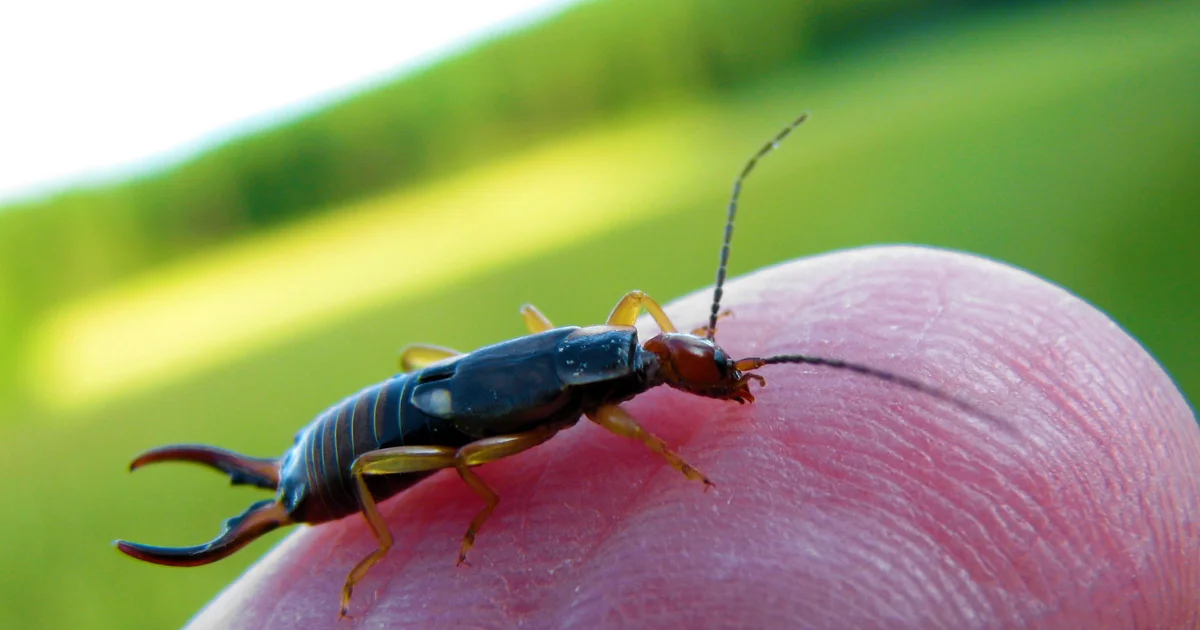
Earwigs are distinctive insects known for the intimidating pincers (cerci) at the end of their abdomens. The most common species in Texas is the European earwig (Forficula auricularia). Despite their fearsome appearance and the persistent myth that they crawl into human ears, earwigs are relatively harmless to humans.
Earwigs are primarily outdoor insects that occasionally invade homes in large numbers, especially during hot, dry weather or after heavy rains. They're nocturnal scavengers that feed on decaying organic matter, plant materials, and small insects. While generally beneficial in gardens by eating aphids and other pests, they can damage tender seedlings, flowers, and vegetables when populations are high.
How to Identify Earwigs
Physical Characteristics
Body Features
- Length: 1/2 to 3/4 inch (12-20mm)
- Color: Dark reddish-brown to black
- Elongated, flattened body
- Two pairs of wings (rarely fly)
Distinctive Features
- Prominent forcep-like pincers (cerci) at rear
- Males: Curved pincers
- Females: Straight pincers
- Thread-like antennae
Life Stages
- Eggs: White, oval, laid in soil
- Nymphs: Miniature adults, no wings
- Adults: Fully developed pincers
- One generation per year in Texas
Species in Texas
European Earwig (Forficula auricularia)
Most Common in Texas
- Reddish-brown with yellowish legs
- 3/4 inch long when mature
- Males have curved, robust pincers
- Females have straight, slender pincers
- Short wings, rarely flies
Signs of Earwig Infestation
🦗 Live Earwigs Indoors
Finding multiple earwigs inside your home, especially in bathrooms, kitchens, laundry rooms, or basements. Earwigs are nocturnal, so you'll typically see them at night or when disturbing their hiding spots during the day.
Where to look: Bathrooms, kitchens, basements, under sinks, in damp closets
🏡 Outdoor Aggregations
Large numbers of earwigs congregating in cool, moist areas around your property. During the day, earwigs hide in mulch, under rocks, in firewood, beneath boards, or in any dark, damp shelter.
Where to look: Under mulch, rocks, boards, firewood, flower pots, outdoor furniture cushions
🌱 Plant Damage
Ragged holes in leaves, flowers, and soft plant stems. Earwigs feed at night, leaving irregular holes with smooth edges in tender plant tissue. Heavy damage to seedlings, lettuce, strawberries, zinnias, marigolds, and dahlias indicates earwig activity.
Plants affected: Seedlings, lettuce, soft fruits, flowers, particularly tender new growth
🗑️ Trash & Compost Areas
High populations around garbage cans, compost bins, and organic debris. Earwigs are attracted to decomposing organic matter. Check these areas at night with a flashlight to assess population levels.
Where to check: Under trash cans, in compost bins, leaf litter, grass clippings
💡 Attracted to Lights
Earwigs gathering near outdoor lights at night, then entering homes through gaps around doors, windows, or foundation cracks. They're attracted to light but prefer to hide in dark crevices once they're near buildings.
When to observe: Evening hours near porch lights, garage lights, foundation lights
Earwig Behavior and Habitat
Seasonal Activity
In Texas, earwigs are most active from late spring through fall (May-October). Activity peaks in summer months, particularly after rain events or during humid conditions. Earwigs overwinter as adults in soil and become active again in spring.
Daily Habits
- Nocturnal - active at night, hide during day
- Seek dark, moist, tight spaces for daytime shelter
- Omnivorous feeders - eat plants, insects, organic debris
- Emit a foul-smelling liquid when disturbed or crushed
- Use pincers for defense and capturing prey
- Rarely fly despite having wings
Why Earwigs Enter Homes
- Moisture: Seeking damp environments during dry weather
- Shelter: Outdoor populations become too large, forcing migration indoors
- Weather: Heavy rains or extreme heat drives them inside
- Light: Attracted to outdoor lighting near entry points
- Food: Following food sources (decaying matter, small insects)
Reproductive Behavior
Female earwigs are unusual among insects in that they exhibit maternal care. Females lay 30-50 eggs in underground burrows in late winter/early spring. The female guards the eggs, cleaning them to prevent fungal growth, and protects newly hatched nymphs for several weeks. This maternal care is rare in the insect world.
Earwig Risks and Damage
Health Risks (Minimal)
Earwigs pose almost no health risk to humans. They do not bite (they have chewing mouthparts, not biting jaws), and their pincers rarely break human skin even when they pinch in self-defense. Earwigs do not transmit diseases and are not venomous.
While earwig pincers look intimidating, they're used primarily for defense against other insects and for capturing small prey. If handled, an earwig may pinch with its cerci, but this rarely breaks skin and causes only minor discomfort. Male earwigs have stronger, more curved pincers than females.
Property Damage
- Garden Damage: Feed on tender seedlings, flowers, vegetables, and soft fruits
- Aesthetic Damage: Create ragged holes in ornamental plant leaves and flowers
- Nuisance: Large numbers invading homes create significant nuisance
- Odor: When crushed, release foul-smelling defensive secretion
- Contamination: Droppings in food storage areas (rare but possible)
Benefits
Despite being pests when populations are high, earwigs provide some benefits:
- Eat aphids, mites, and other soft-bodied pests
- Consume decaying organic matter, aiding decomposition
- Prey on insect eggs and small larvae
- Natural pest control when populations are balanced
Earwig Prevention Strategies
Moisture Control (Most Important)
Eliminating excess moisture is the key to earwig prevention:
- Fix leaking outdoor faucets, hoses, and sprinkler systems
- Improve drainage around foundation (grade soil away from house)
- Clean gutters and downspouts, extend downspouts 6 feet from foundation
- Fix moisture problems in basements and crawl spaces
- Use dehumidifiers in damp indoor areas
- Repair leaking pipes under sinks
- Improve ventilation in bathrooms and laundry rooms
Landscaping Modifications
- Reduce mulch depth (2-3 inches maximum) and keep mulch 12 inches from foundation
- Remove leaf litter, grass clippings, and organic debris from around house
- Trim shrubs and plants away from house exterior
- Remove ivy and dense groundcover from foundation areas
- Store firewood elevated and at least 20 feet from house
- Eliminate unnecessary stones, boards, and debris that provide hiding spots
- Keep lawn mowed and remove thatch buildup
Exclusion
- Seal cracks and gaps in foundation with caulk or mortar
- Install weatherstripping on doors and windows
- Install door sweeps on all exterior doors (1/4 inch gap maximum)
- Repair torn window and door screens
- Seal openings around pipes, wires, and cables entering home
- Caulk gaps around air conditioning units
- Check and seal gaps in siding
Lighting Adjustments
- Switch outdoor lights to yellow "bug lights" (less attractive to insects)
- Move lights away from doors and windows
- Use motion-sensor lights instead of continuous lighting
- Keep curtains/blinds closed at night to avoid attracting insects to windows
Sanitation
- Keep garbage cans sealed and clean
- Use compost bins with tight-fitting lids
- Clean up food spills and crumbs promptly
- Don't leave pet food outside overnight
- Remove fallen fruit from yard
Professional Earwig Control
When to Call a Professional
While small earwig intrusions can be managed with DIY methods, professional treatment is recommended when:
- You're seeing more than 5-10 earwigs per day inside your home
- Outdoor populations are very high (100+ earwigs in trapped areas)
- DIY methods haven't reduced the infestation after 2-3 weeks
- Earwigs are causing significant garden or landscape damage
- You need rapid reduction before an outdoor event
Our Professional Treatment Process
1. Inspection & Assessment
- Identify earwig harborage areas around property
- Assess moisture problems and conducive conditions
- Locate entry points into structure
- Determine population severity (light, moderate, heavy)
- Inspect landscaping and irrigation issues
- Provide detailed report with recommendations
2. Exterior Perimeter Treatment
- Apply residual insecticide barrier around foundation
- Treat mulch beds, rock gardens, and harborage areas
- Apply granular bait in landscape beds
- Treat under decks, porches, and outdoor structures
- Focus on moisture-prone areas where earwigs congregate
- Create 3-6 foot treated barrier around structure
3. Interior Treatment (If Necessary)
- Targeted crack and crevice treatment in entry areas
- Dust application in wall voids and under appliances
- Treatment of basements and crawl spaces
- Limited interior pesticide use (focus is on exclusion and exterior treatment)
4. Moisture & Habitat Modification Recommendations
- Identify and recommend repairs for moisture sources
- Landscaping modification guidance
- Exclusion recommendations (sealing, door sweeps, screens)
- Lighting modifications
- Sanitation improvements
5. Follow-Up Service
- Return visit in 2-3 weeks to assess efficacy
- Additional treatment if necessary
- Seasonal monitoring available
- Warranty on service (typically 30 days)
DIY Control Methods
- Oil Pit Traps: Bury shallow containers (tuna cans) level with soil surface, fill with 1/2 inch vegetable oil and a drop of bacon grease or soy sauce. Earwigs fall in and drown. Empty daily.
- Rolled Newspaper: Roll up damp newspaper, secure with rubber band, place in garden at dusk. Earwigs shelter inside overnight. In morning, shake out into soapy water or dispose in sealed bag.
- Cardboard Traps: Place corrugated cardboard on damp soil at dusk. Earwigs hide in corrugations overnight. Collect and dispose in morning.
- Diatomaceous Earth: Apply food-grade DE around foundation, in mulch beds, and entry points. Kills earwigs by dessication when they crawl over it.
Earwig Control Costs in Texas
Pricing varies based on property size, infestation severity, and treatment areas needed. Most earwig problems resolve with 1-2 treatments when combined with moisture control and habitat modification. Seasonal service recommended for properties with recurring problems.
Frequently Asked Questions
Do earwigs actually crawl into your ears?
No, this is a myth. Earwigs do not intentionally crawl into human ears. The name comes from an old European superstition, but there's no scientific evidence that earwigs are attracted to human ears any more than other insects. While any small insect could accidentally wander into an ear, earwigs don't target ears and this occurrence is extremely rare.
Are earwigs dangerous or poisonous?
Earwigs are not dangerous to humans. They don't bite (they have chewing mouthparts, not biting jaws), they're not venomous, and they don't transmit diseases. Their pincers can pinch skin if you handle them roughly, but this rarely breaks skin and causes only minor discomfort. Earwigs are a nuisance pest, not a health threat.
Why do I suddenly have so many earwigs?
Earwig population explosions occur when conditions are ideal: warm temperatures, adequate moisture, and abundant food and shelter. Heavy spring rains followed by hot, dry summer weather often drive large numbers indoors seeking moisture. Properties with thick mulch, dense landscaping, poor drainage, and excessive outdoor lighting are most prone to earwig problems.
How do I get rid of earwigs naturally?
Natural control focuses on habitat modification: (1) Reduce moisture by fixing leaks and improving drainage, (2) Remove mulch, leaf litter, and organic debris from around foundation, (3) Trap earwigs using oil pit traps or rolled newspaper, (4) Apply diatomaceous earth around foundation and in problem areas, (5) Switch to yellow outdoor lights, (6) Seal entry points with caulk and door sweeps. These methods work best when combined together.
What attracts earwigs to my house?
Earwigs are attracted to: (1) Moisture - leaky faucets, poor drainage, damp basements, (2) Shelter - mulch, leaf litter, dense vegetation, firewood, rocks, (3) Food - decaying organic matter, small insects, plant material, (4) Light - outdoor lighting near entry points, (5) Cracks and gaps - easy access points into the structure. Addressing these attractants is key to prevention.
When are earwigs most active?
Earwigs are nocturnal and most active at night from dusk to dawn. Peak season is late spring through summer (May-September in Texas), especially during humid conditions or after rain. During the day, they hide in dark, moist locations. If you see earwigs during the day, it indicates a very large population.
Need Professional Earwig Control?
Fast, effective earwig elimination for Houston, Fort Worth & Granbury. Same-day service available.