
What Are Mosquitoes?
Mosquitoes are more than a nuisance—they're disease vectors that weaponize your backyard against you.
In Texas, mosquito season can stretch from March through November, depending on rainfall and warmth. These insects thrive in humidity, breed in standing water, and hunt by detecting CO₂, heat, and body odor. Every female mosquito needs a blood meal to lay eggs—and that makes your skin their target.
You don't just lose comfort. You lose the backyard lifestyle.
Mosquitoes in Texas
Texas hosts over 80 species of mosquitoes. The most common and problematic:
1. Aedes aegypti (Yellow Fever Mosquito)
- Black with white markings
- Aggressive daytime biters
- Transmit Zika, dengue, chikungunya
2. Culex pipiens (Common House Mosquito)
- Active at dusk/dawn
- Transmit West Nile virus
- Breed in dirty or stagnant water
3. Aedes albopictus (Asian Tiger Mosquito)
- Black with white stripe down back
- Very aggressive, day-active
- Breed in small containers, gutters, birdbaths
Most homeowners are bitten without seeing them. Mosquitoes are stealth hunters, and your yard may be breeding them.
Identification Guide
Visual Signs
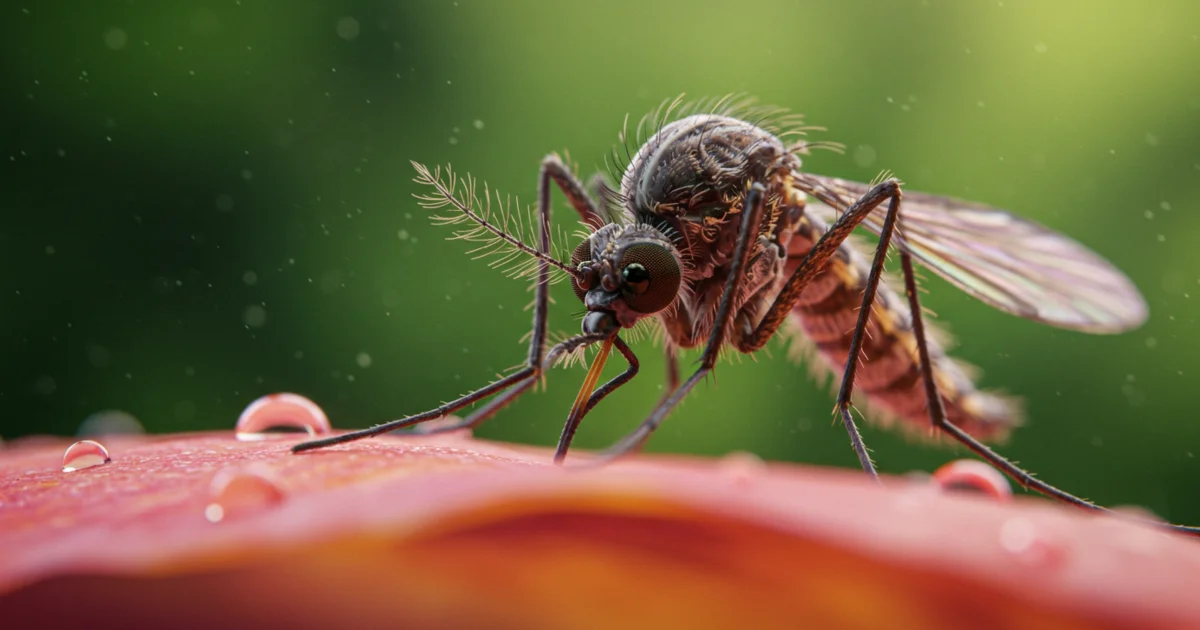
- Small (¼ inch), slender insects with long legs and a needle-like mouthpart
- Often seen hovering near skin or landing silently
Environmental Clues
- Standing water in planters, birdbaths, gutters, or toys
- Mosquito larvae ("wigglers") visible in rain barrels or puddles
- High biting activity at dawn/dusk or shaded patio zones
Seasonality
- High pressure: May through October
- Population booms: After rainfall
- Peak feeding windows: Warm, windless evenings
Signs of Infestation
🦟 Frequent Bites
Frequent bites on ankles, wrists, or exposed arms. Mosquitoes target areas with thin skin and proximity to blood vessels. Multiple bites in outdoor areas indicate high mosquito populations.
Where to notice: Ankles, wrists, exposed arms, behind knees
🎵 High-Pitched Whining
High-pitched whining sound near ears at night. The distinctive mosquito buzz comes from rapid wing beats (300-600 beats per second). Hearing this sound indoors indicates mosquitoes have entered the home.
When to hear: Evening hours, near bedrooms, in quiet spaces
🪱 Larvae Visible
Larvae visible in any container holding water for more than 3 days. Mosquito larvae ("wigglers") are visible in still water, hanging from the surface and wriggling when disturbed.
Where to check: Birdbaths, plant saucers, gutters, buckets, rain barrels, toys
🌳 Shaded Area Activity
Increased presence in shaded areas or near vegetation. Adult mosquitoes rest in cool, damp, shaded locations during the day. High concentrations in these areas indicate breeding sites nearby.
Where to observe: Under decks, dense vegetation, shaded patios, tree canopies
Dangers and Damage
Health Threats
- West Nile virus: Most common mosquito-borne disease in Texas
- Zika virus: Can cause birth defects in pregnant women
- Chikungunya: Causes severe joint pain and fever
- Heartworm (pets): Fatal parasitic disease transmitted to dogs and cats
Lifestyle Disruption
- Fear or avoidance: Patios, pools, firepits become unusable
- Interrupted gatherings: Outdoor meals and events ruined
- Children and elderly: Higher risk for overexposure and disease
- Property value impact: Outdoor spaces lose functional value
Mosquitoes don't just bite skin—they rob families of outdoor living. The constant threat of bites and disease keeps people indoors during the best weather Texas offers. Professional mosquito control restores outdoor spaces to their intended purpose.
Prevention Strategies
Mosquitoes are lazy breeders. They just need still water and a place to rest.
Water Elimination
- Dump water from flowerpots, birdbaths, buckets every 48–72 hours
- Unclog gutters and downspouts
- Install sump pumps or French drains in persistently wet zones
- Empty children's toys, wading pools, and pet water bowls regularly
- Fix leaking outdoor faucets and AC condensation lines
- Remove or drill holes in items that collect water (tires, containers)
Yard Structure Adjustments
- Thin vegetation and ground cover
- Keep grass trimmed and debris cleared
- Use motion-triggered fans on porches or patios
- Remove leaf litter and organic debris
- Prune tree canopies to increase air circulation
- Create distance between dense vegetation and living spaces
Habitat Barriers
- Screen porches and windows (repair torn screens immediately)
- Apply larvicides to unavoidable water sources (ponds, rain barrels)
- Install fine-mesh screens over rain barrels and cisterns
- Use BTI dunks in ornamental ponds and water features
- Keep doors closed during dawn/dusk hours
Mosquito prevention is about eliminating two things: breeding sites (standing water) and resting areas (dense, shaded vegetation). Control both and mosquito populations crash.
Professional Treatment Options
Our mosquito control goes beyond foggers—we treat the source, the cycle, and the flight path.
Step 1: Breeding Site Survey
- Full property inspection for standing water, shade, and foliage
- Identification of cryptic breeding zones
- Assessment of moisture problems and drainage issues
- Documentation of high-risk areas
- Recommendations for habitat modification
Step 2: Adulticide Application
- Backpack misting of foliage where mosquitoes rest
- Residual barrier treatments on undersides of leaves, fencing, shaded eaves
- Treatment of tree trunks, dense shrubs, and ground covers
- Focus on cool, damp resting areas
- Timed applications for maximum efficacy
- Products selected for residual protection (21-30 days)
Step 3: Larvicide Treatment
- Bio-safe larvicide pucks or liquid applied to non-drainable water sources
- Treatment of ornamental ponds, water features, drainage areas
- BTI applications (safe for fish, pets, wildlife)
- Prevention of larvae maturation into biting adults
- Long-lasting protection in treated water
Step 4: Seasonal Scheduling
- Monthly reapplications during mosquito season for lasting protection
- Scheduled treatments from March through November
- Weather-adaptive scheduling (post-rain applications when needed)
- Event-specific intensive treatments available
- Ongoing monitoring and adjustment
One-time fogging provides immediate knockdown but no residual protection. Our integrated approach combines immediate population reduction with lasting barrier protection and source elimination. This three-pronged strategy provides continuous control throughout mosquito season.
Treatment Cost Expectations
Pricing varies by yard size, foliage density, and water pressure zones. Properties with extensive vegetation, multiple water features, or chronic drainage problems may require more comprehensive treatment. Seasonal programs provide best value and consistent protection.
Common Questions
Are your treatments safe for bees and butterflies?
Yes. We use targeted applications, avoiding bloom zones and pollinator plants. Bee-safe timing and products are standard. Treatments are applied to mosquito resting areas (undersides of leaves, shaded vegetation) rather than broadcast sprays over flowering plants. We can coordinate timing to minimize pollinator exposure and use products with short residual effects on beneficial insects.
How fast does it work?
You'll see dramatic reduction within 24–48 hours, and long-lasting control for weeks. Initial knockdown occurs rapidly as treatments kill adult mosquitoes on contact and in treated resting areas. Residual protection continues for 21-30 days under normal conditions. Heavy rain or irrigation may reduce effectiveness and require reapplication.
Can mosquitoes build resistance to sprays?
Not with rotation. We vary actives across visits to avoid resistance. By rotating between different classes of insecticides (pyrethroids, organophosphates, etc.), we prevent mosquito populations from developing resistance. This integrated resistance management approach ensures long-term effectiveness of our treatments.
What about natural options?
We offer eco-friendly and botanical-based treatments on request—effective, but may require more frequent application. Natural pyrethrin, essential oils, and biological larvicides (BTI) provide good control with minimal environmental impact. These options work well for environmentally sensitive properties but typically require more frequent reapplication (every 2-3 weeks vs. 3-4 weeks for synthetic options).
Do I need to leave during treatment?
No, but we recommend staying indoors during application and allowing 30-60 minutes for product to dry before resuming outdoor activities. Pets should remain indoors during treatment. Once dried, treated areas are safe for normal use. We'll provide specific timing instructions when we schedule service.
Why do I need monthly treatments?
Mosquito populations regenerate quickly—new adults emerge from larvae constantly, and mosquitoes fly in from neighboring properties. A single treatment provides 3-4 weeks of protection, but continuous pressure from breeding sites and migration means populations rebound without ongoing control. Monthly treatments during mosquito season maintain consistent protection and prevent population explosions.
Enjoy Outdoors Again
Mosquitoes don't just bite skin. They bite freedom.
They rob kids of sprinklers. Families of firepits. Couples of porches. But your yard can be yours again—with real strategy, not just fog and hope.
Let's dry the puddles. Mist the leaves. And send a clear message:
Not this summer. Not in this yard.