
What Are Scorpions?
Scorpions are predatory arachnids that have lived in Texas for millions of years. While they prefer outdoor habitats, they commonly enter homes seeking shelter, moisture, and prey.
Finding a scorpion in your home—especially in your bed or shoes—is alarming. While Texas scorpions are not as dangerous as their Arizona cousins, their stings are painful and can cause serious reactions in sensitive individuals, children, and pets.
Scorpions are nocturnal hunters that hide during the day and emerge at night. They glow under ultraviolet (black) light, which is helpful for detection but doesn't solve the underlying infestation.
Texas Scorpion Species
1. Striped Bark Scorpion
Most common in Texas. Yellowish-tan with two dark stripes down back. 2-3 inches long. Found in urban and rural areas. Climbs well—found on walls and ceilings. Sting is painful but not life-threatening.
2. Texas Cave Scorpion
Smaller, 1.5-2 inches, slender build. Found in Central Texas caves and rocky areas. Less common in homes. Similar venom potency to striped bark scorpion.
3. Giant Desert Hairy Scorpion
Largest in Texas, up to 5-6 inches. Found in West Texas desert regions. Tan to olive green. Despite size, sting is less painful than smaller species. Rare in urban areas.
4. Lesser Stripetail Scorpion
Small, 1.5 inches, yellowish-brown. Found in South Texas. Prefers outdoor habitats. Rarely enters homes. Mild sting.
Identification Guide
Size
Striped bark: 2-3 inches | Cave: 1.5-2 inches | Desert hairy: 5-6 inches
Color
Yellowish-tan to dark brown. Glow bright blue-green under UV light
Shape
Two pincers (pedipalps), four pairs of legs, segmented tail with stinger
Behavioral Signs
- Nocturnal—active at night, hide during day
- Excellent climbers—found on walls, ceilings, in attics
- Prefer dark, tight spaces during day
- Hunt other insects and spiders
- Can survive months without food or water
Signs of Scorpion Activity
Indoors:
- Live scorpions found in bathrooms, especially at night
- Scorpions in shoes, clothing, or bedding
- Scorpions on interior walls or ceilings after dark
- Multiple sightings indicating established population
Common Entry Points:
- Gaps under doors and garage doors
- Cracks in foundation and exterior walls
- Utility penetrations (plumbing, electrical, HVAC)
- Torn window screens
- Gaps around windows and door frames
- Attic vents and roof penetrations
Outdoor Hiding Spots:
- Under rocks, logs, and landscape timbers
- In firewood piles and debris
- Under bark mulch and decorative rock
- Inside outdoor storage boxes
- Behind shutters and siding
Scorpion Sting Risks & Safety
Typical Sting Symptoms (Texas Species)
- Immediate sharp, burning pain at sting site
- Localized swelling and redness
- Numbness or tingling around sting area
- Pain typically subsides within a few hours
- Similar severity to bee or wasp sting for most people
When to Seek Medical Care
- Children under 6 years old
- Elderly individuals or those with heart conditions
- Severe allergic reactions (rare but possible)
- Difficulty breathing or swallowing
- Muscle twitching or unusual eye movements
- Excessive drooling or sweating
First Aid for Scorpion Stings
- Wash sting site with soap and water
- Apply cool compress to reduce pain and swelling
- Elevate affected limb if possible
- Take over-the-counter pain reliever (ibuprofen or acetaminophen)
- Monitor for unusual symptoms
Prevention Strategies
Exclusion
- Install door sweeps on all exterior doors
- Weatherstrip around doors and windows
- Seal cracks in foundation with mortar or caulk
- Screen attic vents and crawl space openings
- Seal utility penetrations with expanding foam or caulk
- Repair torn window screens
Habitat Modification
- Remove rocks, lumber, and debris from around foundation
- Store firewood at least 20 feet from house, elevated off ground
- Eliminate bark mulch near foundation—use gravel instead
- Trim vegetation away from house walls
- Remove clutter from garage and storage areas
- Fix moisture issues that attract prey insects
Indoor Precautions
- Shake out shoes, clothing, and bedding before use
- Don't walk barefoot at night
- Move beds away from walls
- Keep floors clear of clutter
- Use black light to inspect for scorpions at night
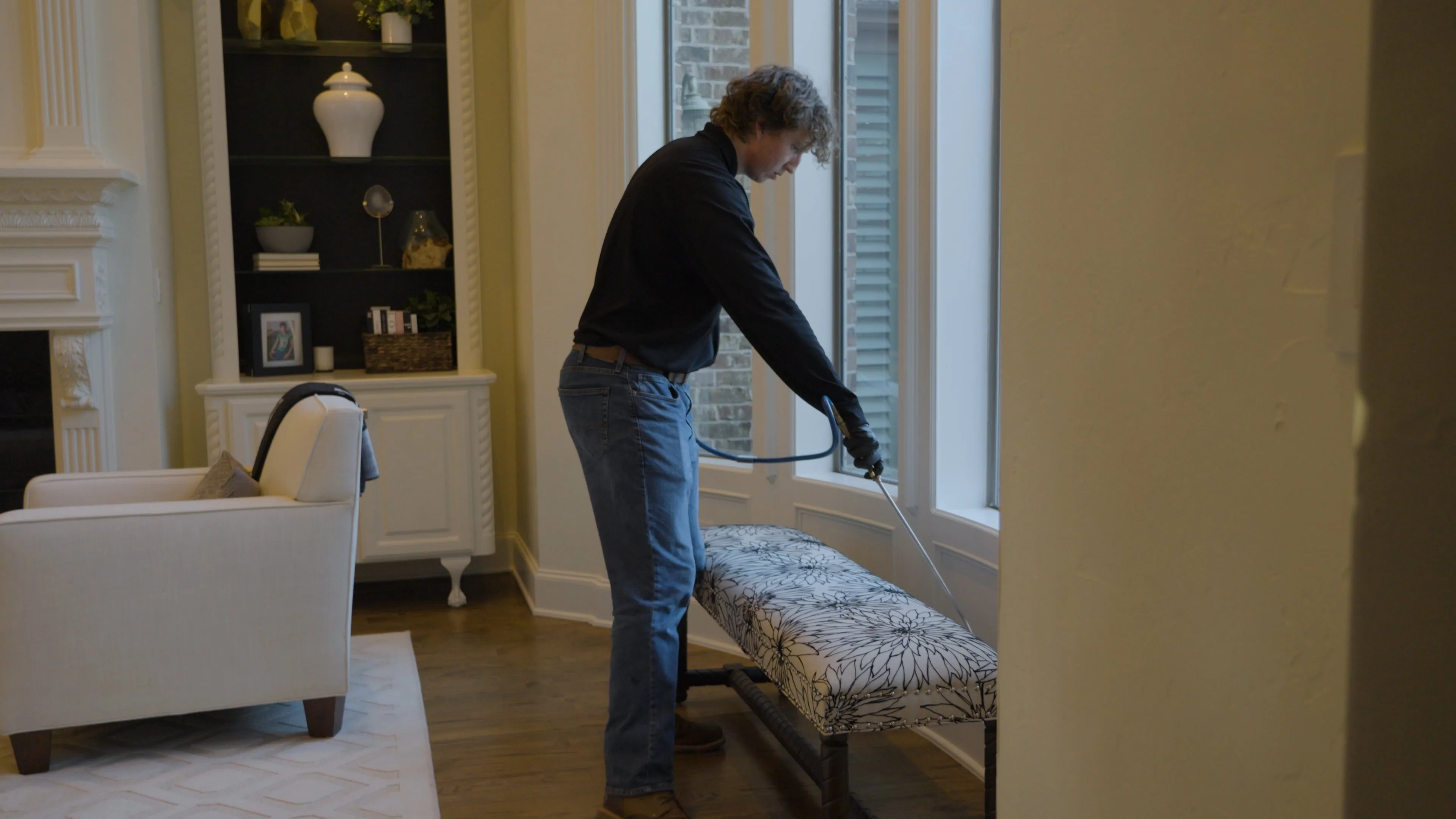
Professional Scorpion Treatment
Effective scorpion control combines exclusion, habitat modification, and targeted treatments to both eliminate existing scorpions and prevent new ones from entering.
Our Treatment Protocol
Property Inspection
Identify entry points, harborage areas, and conducive conditions. Night inspection with UV light to locate scorpions
Exclusion Repairs
Seal cracks, gaps, and entry points. Install door sweeps and weatherstripping where needed
Perimeter Treatment
Residual insecticide applied to foundation, entry points, and 3-foot barrier around home
Crack & Crevice Treatment
Dust applications in wall voids, attic, and areas where scorpions hide
Yard Treatment
Treat outdoor harborage areas—rock piles, landscaping, wood piles
Follow-Up Service
Monthly treatments during peak season for continuous protection
Treatment Cost Expectations
Common Questions
Q: Are Texas scorpions deadly?
No. While painful, stings from Texas scorpions (primarily striped bark scorpions) are not deadly to healthy adults. However, children, elderly, and those with allergies should seek medical attention.
Q: Why do scorpions glow under black light?
Chemicals in the scorpion's exoskeleton fluoresce under UV light. This is helpful for detection—use a black light flashlight to find scorpions in your home or yard at night.
Q: What attracts scorpions to my house?
Scorpions enter homes seeking prey (insects and spiders), water, and shelter from extreme temperatures. Homes with moisture issues or heavy pest pressure are more attractive.
Q: Can I just spray myself?
Consumer products provide limited control. Scorpions are resistant to many pesticides, and effective treatment requires knowing where to apply products and which formulations work best. Exclusion is equally important.
Sleep Easy Without Scorpions
Don't worry about scorpions in your bed or shoes.
Let us protect your home and family.