
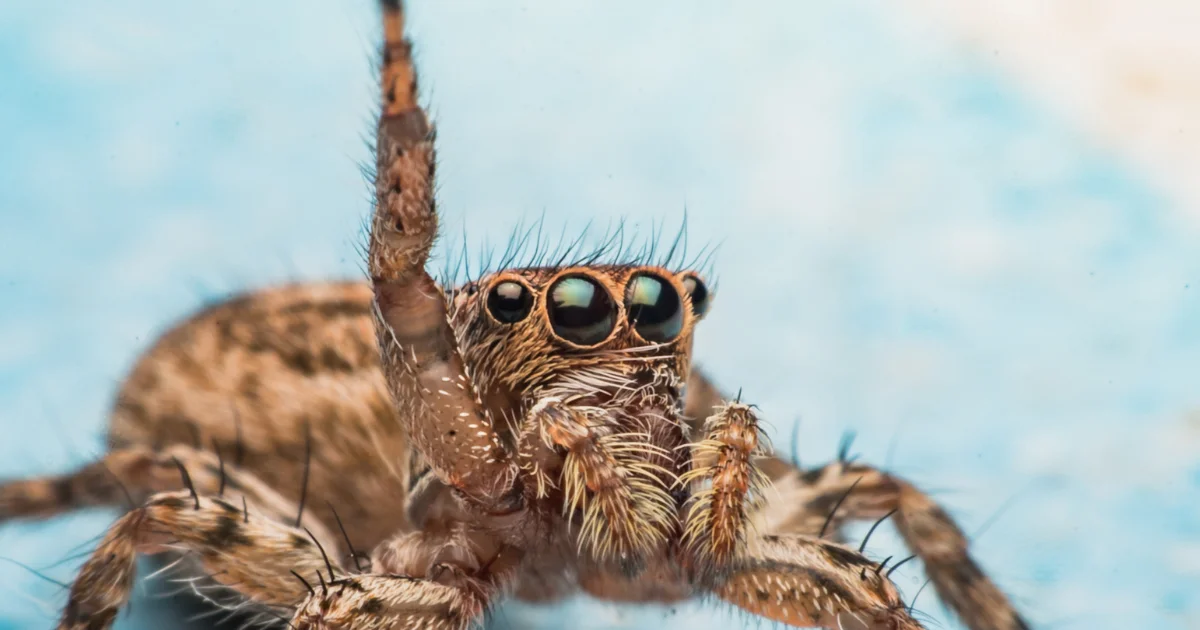
What Are Spiders?
Spiders are predators. Efficient. Patient. Lethal—if you're an insect.
But when they cross the line from natural predator to indoor intruder, the equation changes. What once controlled pests becomes a pest itself.
Most spiders in Texas are harmless. But two aren't.
And even harmless spiders trigger a primal fear. Webs in corners. Sudden movements. Nighttime encounters. That isn't about science. It's about safety—and control of your space.
We're not just removing legs and webs. We're removing uncertainty.
Types of Texas Spiders
1. Brown Recluse (Loxosceles reclusa)
Small, tan to dark brown, with a violin-shaped mark on its back. Typically hides in undisturbed spaces: closets, boxes, attic insulation. Bites can cause necrotic wounds. Not aggressive—but dangerous if cornered.
2. Black Widow (Latrodectus mactans)
Glossy black body with a red hourglass marking. Found in sheds, garages, woodpiles. Bites are rare but can cause muscle cramps, nausea, and systemic reactions. Children and elderly are most at risk.
3. Wolf Spiders
Large, hairy, and fast-moving. Ground hunters—don't build webs. Often mistaken for tarantulas. Intimidating but not dangerous.
4. Common House Spiders
Various species that spin webs in corners, under furniture, and near windows. Annoying, but not venomous.
Proper identification matters. Especially when kids, pets, or immunocompromised individuals are in the home.
Identification Guide
Brown Recluse
- 6 eyes in 3 pairs (most spiders have 8)
- No web—prefers to hide in fabric, storage, and dry wood
- Violin marking on back (though not always visible)
Black Widow
- Shiny black, bulbous abdomen
- Red hourglass on underside
- Web is chaotic and sticky
Wolf Spiders
- Large (up to 1.5 inches)
- Fast runners, found on floors or in garages
- Often mistaken for brown recluse due to speed and size
General Signs
- Webs appearing overnight
- Egg sacs in corners or storage
- Spiders found inside shoes, laundry, or closets
Signs of Infestation
Spiders are solitary. You won't see them in swarms. But multiple sightings per week usually mean a food source—or breeding.
Other signs:
- Cobwebs appearing in the same location repeatedly
- Egg sacs attached to ceilings, corners, or under furniture
- Increased insect activity (spiders follow the food)
If spiders are showing up indoors, it means two things: they're finding food, and they're finding access.
Both need to be shut down.
Damage Caused by Spiders
Physical Harm:
- Brown Recluse bites can result in ulcerating wounds, secondary infections, and skin necrosis
- Black Widow bites can cause systemic illness—sweating, cramps, vomiting, and nerve pain
Psychological and Lifestyle Cost:
- Loss of comfort in your own home
- Fear of undisturbed areas (closets, attics, storage)
- Risk for children and vulnerable individuals
- Disruption of routines—especially during high spider season (spring and fall)
A single bite isn't just a medical event. It's a trigger for long-term discomfort.
Prevention Strategies
Spiders follow prey. If your home has flies, ants, moths, or other insects—it'll eventually have spiders.
Indoor Controls:
- Vacuum regularly—especially corners, behind furniture, under beds
- Declutter closets, basements, and attics
- Store clothing and shoes in sealed containers if unused
- Install door sweeps and screen vents
Outdoor Tactics:
- Remove woodpiles, debris, and clutter near foundation
- Trim vegetation away from siding and windows
- Turn off outdoor lights or switch to yellow "bug light" bulbs (attracts fewer insects)
- Seal cracks, gaps, and window screens
Spiders don't need a welcome sign. They need a food trail. Cut the supply, cut the intruder.
Professional Treatment Options
We don't fog. We don't "hope."
We identify, isolate, and remove the environmental incentives for spider habitation.
Brown Recluse Protocol:
Residual Insecticides
In wall voids, attic beams, and baseboards
Dust Injections
Into crawlspaces and inaccessible areas
Sticky Trap Monitoring
In strategic corners
Black Widow Response:
Exterior Perimeter Treatments
Especially under eaves, patios, and sheds
Nest Removal
And sealing of harborages
Baiting and Low-Impact Sprays
To eliminate prey insects
Whole-Home Strategy:
Crack and Crevice Dusting
Targeted application in hidden spaces
Vacuum-Based Egg Sac Removal
Physical removal of breeding sites
Long-Term Insect Population Control
To reduce spider food source
Most clients notice a 90%+ drop in visible spiders within 10–14 days. Residuals last 60–90 days depending on conditions.
Treatment Cost Expectations
Spider treatments vary based on home size and risk level (e.g., attic access, garage clutter, etc.).
No upsell. No fear games. We charge based on scope—not scare factor.
Common Questions
Q: Are your treatments safe for kids and pets?
Yes. We use targeted applications and EPA-approved products. Once dry, there's no risk to humans or animals.
Q: Can spiders really hide in clothes or shoes?
Absolutely. Especially recluse species. Always shake out stored clothing or gear if you live in a spider-prone zone.
Q: Do webs mean infestation?
Not always. One web can mean one spider. But repeated web formation in the same areas is a sign of ongoing habitation.
Q: What about outside spiders?
We treat eaves, siding, and vegetation around the home. Most clients want to reduce—not eliminate—all spiders. We balance effectiveness with ecological responsibility.
When the Corners Feel Like a Threat
Spiders don't knock. They settle.
They claim corners, build webs, and rewrite the rules of comfort in your own home.
We're not just in the business of pest control. We're in the business of reclaiming peace. Bedrooms. Closets. Garages. Sanity.
Let's clear the corners. Let's close the crawlspace.
Let's take your house back.