
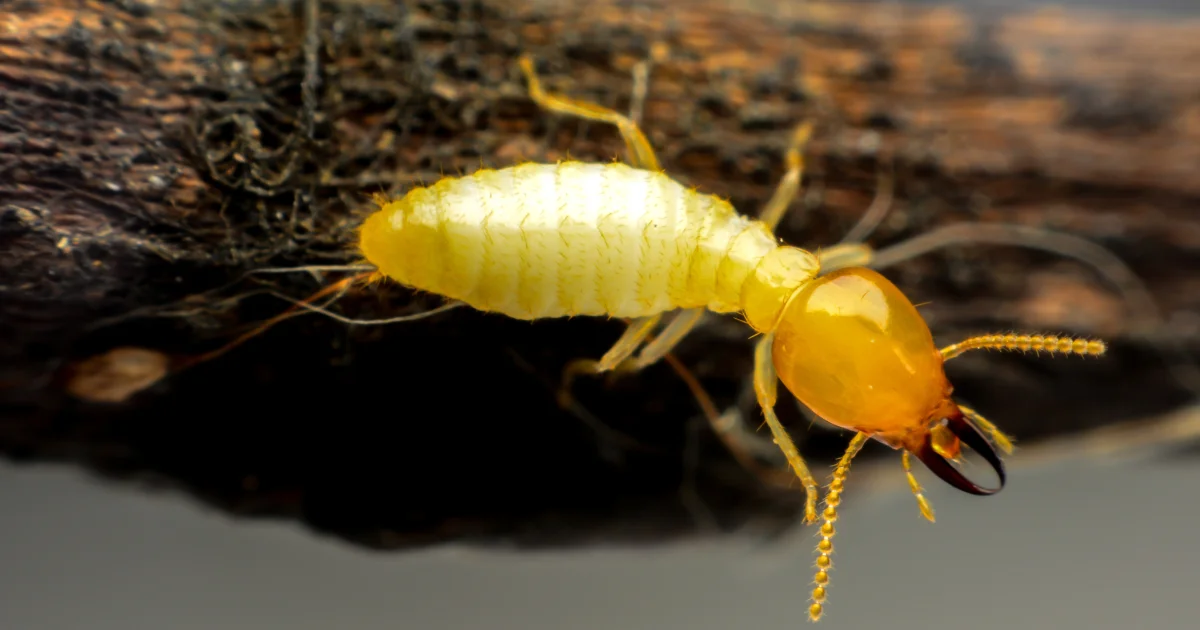
What Are Termites?
Termites aren't pests. They're demolition crews. Small, silent, and tireless. Working 24/7. Never sleeping. Never stopping.
Insects, yes—but insects with infrastructure. Caste systems. Chemical communication. Coordinated feeding behavior.
They're often called "silent destroyers," but that undersells them. They're not just quiet. They're methodical—capable of hollowing out studs, beams, and subfloors without leaving a trace until it's too late.
Over $5 billion in property damage annually in the U.S.—and most of it isn't covered by insurance.
Types of Texas Termites
Texas is termite country. Warm, humid, and filled with the kind of cellulose-rich soil and structure that these insects crave.
1. Subterranean Termites
The most common—and the most damaging. They live underground in massive colonies (up to 2 million strong) and travel through mud tubes to reach wood above ground. Think of them as tunneling armies beneath your feet.
2. Formosan Termites
An invasive species, originally from Asia. Hyper-aggressive, highly adaptive, and able to chew through wood, flooring, and even insulation. A single colony can destroy a home's framing in under a year.
3. Drywood Termites
Unlike the others, these termites live inside the wood itself. They don't need contact with soil. Attics, furniture, and dry framing are all targets. Harder to detect. Harder to kill.
Each species requires a different treatment strategy. We tailor everything based on soil contact, moisture levels, and construction type.
Identification Guide
You won't see most termites. But here's what you might notice:
Swarmers (Alates)
Winged reproductive termites that emerge in spring to mate and form new colonies. Often confused with flying ants—but straighter bodies, uniform wings, and no elbowed antennae.
Mud Tubes
Pencil-thin tunnels on foundation walls, piers, or slabs. Termites build them to travel from soil to wood while staying protected from light and air.
Frass (Drywood Droppings)
Small, sand-like pellets found beneath infested wood. Uniform shape. Not random like sawdust.
Hollow Wood
Tap a beam or baseboard. If it sounds thin or papery, the termites may already be inside.
Bubbling Paint
Moisture buildup from internal tunneling can cause paint to warp or peel—often mistaken for water damage.
Signs of Infestation
By the time you see a swarm or tube, the colony is likely mature. Other warning signs:
- Doors or windows suddenly tight or warped
- Sagging floors or unexplained soft spots
- Small holes in drywall or trim
- Visible wings discarded near windows
Termite Damage
This isn't cosmetic. This is structural compromise.
- Termites weaken load-bearing beams and joists
- They damage subfloors from beneath, often requiring full replacement
- They silently destroy attic rafters, porch frames, and siding
- In drywood cases, they hollow out furniture and cabinets
And once a colony is active, it doesn't stop. Termites eat constantly. A single queen can live 15 years and lay tens of thousands of eggs per year.
Waiting costs more than acting.
Prevention Strategies
The best termite control plan? Don't invite them in.
Environmental Controls
- Keep soil at least 6 inches below siding
- Ensure gutters and downspouts divert water away from the foundation
- Fix leaky pipes, faucets, or HVAC units
- Store firewood at least 20 feet from the home
Structural Tactics
- Seal cracks in foundation, expansion joints, or entry points
- Use termite-resistant materials (e.g., treated wood, steel barriers)
- Ensure crawlspaces are ventilated and dry
Professional Monitoring
- Install bait systems for subterranean detection
- Annual inspections—especially after any soil disturbance or remodeling
Prevention isn't paranoid. It's disciplined. Especially in Texas.
Professional Treatment Options
We don't sell fog. We sell solutions.
Our approach is based on accurate species ID, site-specific vulnerabilities, and long-term disruption—not blanket sprays or scare tactics.
Subterranean Termites
Bait Systems
Installed in soil around home. Worker termites bring toxic bait back to colony. Slow death. Total collapse.
Liquid Termiticides
Soil treatments around slab, piers, or perimeter. Creates an invisible barrier. Termites cross. Termites die.
Formosan Termites
Combination Strategy
Soil treatment + direct foam injection into walls and voids
Monitoring Stations for long-term population tracking
Drywood Termites
Spot Treatments
Wood injections using non-repellent termiticides
Structural Fumigation
For widespread infestations, especially in multi-unit or attic invasions
We always start with inspection. No guessing. No overselling.
Treatment Cost Expectations
Pricing depends on square footage, infestation stage, and species.
But here's a general range (Texas residential):
We'll quote only what's necessary. No contracts. No upcharges. No fear-based selling.
Common Questions
Q: Are termites covered by homeowner's insurance?
No. Almost never. Insurers view termite damage as preventable—like not fixing a leak. That's why early detection matters.
Q: Can I treat termites myself?
Not effectively. Most over-the-counter treatments kill the workers but leave the queen untouched. The colony adapts. Grows. Returns.
Q: How long does treatment last?
Soil treatments last 5–10 years. Bait systems work indefinitely with maintenance. Annual inspections keep you ahead.
Q: Is it safe for pets and gardens?
Yes. We use EPA-approved, low-impact agents applied surgically—not broadcast sprays. No pollinator loss. No pet risk.
Don't Wait for Hollow Walls
You don't see termites until it's late. You don't hear them until the damage is done.
This isn't about bugs. It's about the integrity of your foundation, the cost of inaction, and the peace of knowing your home isn't being eaten from the inside out.