
What Are Wasps?
Wasps are flying insects known for their painful stings and aggressive behavior when defending their nests. Unlike bees, wasps can sting multiple times and do not die after stinging. They are beneficial predators that help control other insect populations, but become problematic when they nest near human activity.
Texas is home to numerous wasp species, with paper wasps and mud daubers being the most common around homes. Wasps are most active from spring through fall, with peak activity in late summer when colonies reach their largest size.
Types of Wasps in Texas
Paper Wasps
Most Common Around Texas Homes
- Build umbrella-shaped paper nests under eaves and overhangs
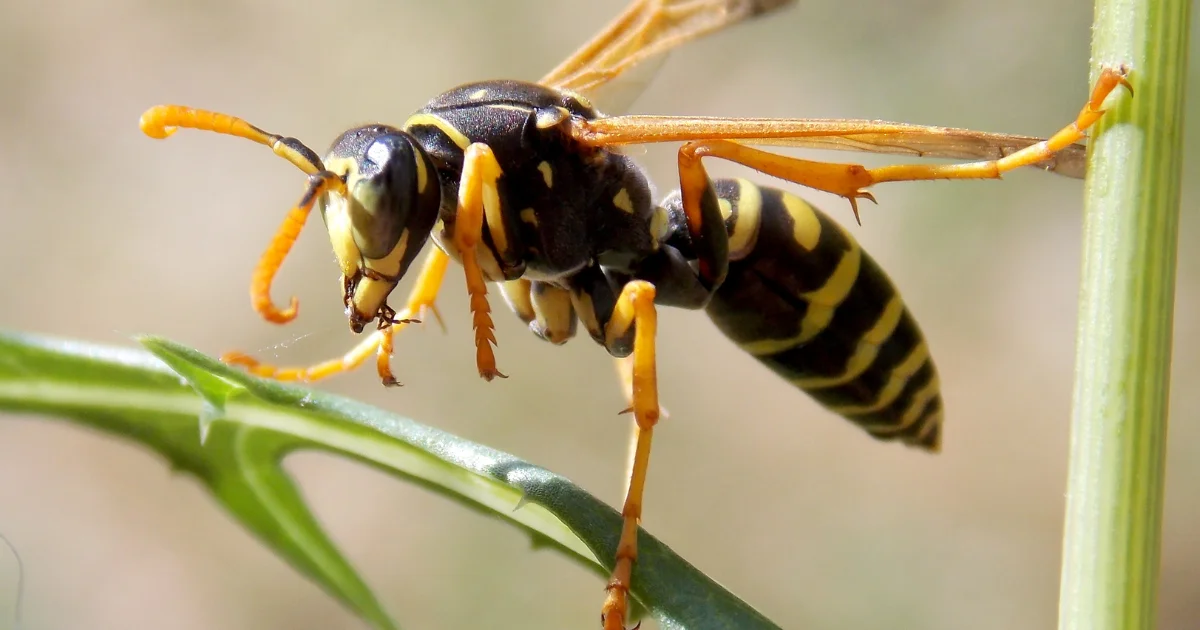
- Reddish-brown with yellow markings, 3/4 to 1 inch long
- Long, dangling legs in flight
- Colonies of 20-75 wasps
- Less aggressive than yellowjackets but will defend nests
Species: Polistes exclamans (Texas paper wasp), Polistes carolina
Mud Daubers
Solitary Nest Builders
- Build mud tube nests on walls, under eaves, in garages
- Black or metallic blue, with thread-like waist
- Solitary - each female builds her own nest
- Very docile, rarely sting humans
- Feed spiders to their young
Species: Black mud dauber (Sceliphron caementarium), Blue mud dauber
Red Wasps
Large, Aggressive Species
- Bright reddish-brown color, 1 to 1.5 inches long
- Build large paper nests in protected areas
- More aggressive than paper wasps
- Painful sting that can cause swelling for days
- Common in rural and wooded areas
Species: Polistes carolina (red paper wasp)
Cicada Killers
Giant Ground-Nesting Wasps
- Large (1.5 to 2 inches), yellow and black markings
- Nest in burrows in lawns and gardens
- Hunt cicadas to provision nests
- Males are aggressive but cannot sting
- Females rarely sting unless handled
Species: Sphecius speciosus
How to Identify Wasps
Key Identification Features
Distinguishing wasps from bees and other flying insects:
Body Structure
- Narrow "wasp waist" between thorax and abdomen
- Smooth, shiny body (not fuzzy like bees)
- Bright yellow and black or brown coloring
- Long, dangling back legs in flight
Behavior
- Aggressive when defending nest
- Feed on nectar, insects, and sweets
- Attracted to food and drinks at outdoor events
- Active during daylight hours
Nests
- Paper-like material (chewed wood fibers)
- Umbrella-shaped or enclosed spherical
- Gray or tan color
- Built in protected locations
- Body: Wasps are smooth and shiny; bees are fuzzy and hairy
- Waist: Wasps have narrow waists; bees have thick, robust bodies
- Aggression: Wasps are more aggressive; bees are generally docile
- Stinging: Wasps can sting multiple times; most bees sting once and die
Signs of Wasp Activity
🏠 Visible Nests
Paper-like nests under eaves, porch ceilings, in attics, sheds, or tree branches. Paper wasp nests look like upside-down umbrellas with visible hexagonal cells. Nests start small in spring and grow throughout summer.
Where to look: Eaves, overhangs, porch ceilings, attics, sheds, barns, trees
🐝 Increased Wasp Activity
Multiple wasps flying in a specific area, especially near building structures. Wasps returning to the same location repeatedly indicates a nearby nest. Activity peaks in late summer and early fall.
When to look: Morning and evening when wasps are most active around nests
🪵 Scraping Sounds
Wasps scrape wood fibers from fences, decks, and wooden structures to build their paper nests. You may hear light scratching or scraping sounds near wooden surfaces.
Where to look: Wooden fences, decks, outdoor furniture, trees
🍔 Food Attraction
Wasps aggressively seeking food and drinks at outdoor gatherings. They're attracted to proteins (meat), sugary drinks, and fruits. Late summer wasps become more aggressive food seekers.
When: Late summer through fall when natural food sources decline
🧱 Mud Tubes
Cylindrical mud tubes on walls, in corners, or under eaves indicate mud dauber activity. These tubes are smooth, about 1 inch long, and usually found in groups.
Where to look: Garage walls, eaves, porch ceilings, sheds, attics
⚠️ Stinging Incidents
Multiple stinging incidents in the same area suggest a defended nest nearby. Wasps become increasingly defensive as their colony grows throughout the summer.
Action: Avoid the area and call professional pest control immediately
Wasp Dangers and Health Risks
Sting Reactions
Wasp stings inject venom that causes immediate pain and localized swelling. Unlike bees, wasps retain their stingers and can sting repeatedly, injecting venom with each sting.
Types of Reactions
Pain, redness, and swelling at sting site. Lasts 24-48 hours. Treat with ice and over-the-counter pain relievers.
Extensive swelling beyond sting site (entire limb). Lasts 5-10 days. May require medical attention and antihistamines.
Difficulty breathing, rapid pulse, dizziness, swelling of face/throat. MEDICAL EMERGENCY - call 911 immediately. Use EpiPen if available.
Seek immediate medical attention if you experience:
- Difficulty breathing or wheezing
- Swelling of face, lips, or throat
- Rapid heartbeat or dizziness
- Nausea, vomiting, or diarrhea
- Loss of consciousness
High-Risk Situations
- Multiple stings (10+ stings can cause toxic reaction even without allergy)
- Stings in mouth or throat area
- Children and elderly (higher risk of severe reactions)
- Previous severe reactions to stings
- Disturbing large nests (can trigger mass stinging attack)
Wasp Prevention Strategies
Eliminate Nesting Sites
Preventing wasps from establishing nests is the most effective control strategy:
- Inspect eaves, overhangs, and porch ceilings weekly in spring
- Remove small starter nests immediately (early spring only, when only 1-2 wasps present)
- Seal cracks and gaps in siding, eaves, and around windows
- Screen attic and crawl space vents
- Fill abandoned rodent burrows (can attract ground-nesting wasps)
- Paint or seal bare wood (wasps scrape wood to build nests)
Remove Food Sources
- Keep outdoor trash cans tightly sealed
- Clean up food and drink spills immediately at outdoor events
- Don't leave pet food outside
- Pick up fallen fruit from trees
- Cover food at picnics and outdoor gatherings
- Keep compost bins sealed and away from house
Reduce Attractants
- Avoid wearing bright colors and floral patterns outdoors
- Don't wear sweet perfumes or scented lotions
- Keep swimming pool areas clean (wasps drink water)
- Repair leaking outdoor faucets and hoses
- Remove standing water from plant saucers and birdbaths
Deterrent Methods
- Install fake wasp nests (wasps are territorial and avoid established colonies)
- Hang wasp traps away from living areas (not near patios - attracts more wasps)
- Plant wasp-repelling herbs: mint, eucalyptus, citronella, thyme
- Use peppermint or clove essential oils around potential nesting sites
Professional Wasp Removal
Why Professional Removal is Essential
Wasp nest removal is dangerous and should only be performed by licensed professionals with proper equipment and protective gear. DIY removal attempts often result in multiple stings and can trigger aggressive mass attacks.
- The nest is larger than a baseball
- The nest is in a hard-to-reach location (high eaves, inside walls)
- You or family members have wasp sting allergies
- There are children or pets in the area
- The nest is near building entrances or high-traffic areas
Our Professional Removal Process
1. Inspection & Assessment
Thorough property inspection to locate all nests and identify wasp species. We assess nest size, location, and proximity to human activity to determine the safest removal approach.
2. Treatment Application
- Direct nest treatment: Professional-grade insecticide applied directly to nest
- Dusk application: Treatment performed when wasps are in nest and less active
- Knockdown spray: Fast-acting products kill wasps on contact
- Residual treatment: Prevents wasps from rebuilding in same location
3. Nest Removal
After all wasps are eliminated (24-48 hours), we safely remove and dispose of the nest. The area is then treated with residual insecticide to prevent reestablishment.
4. Prevention & Follow-up
- Seal entry points and potential nesting sites
- Apply preventative treatments to common nesting areas
- Return visit if wasp activity continues
- Quarterly inspections available to prevent future nests
Treatment Methods by Location
- Eaves & Overhangs: Extension pole application, safe from ground level
- Inside Walls: Dust application through small access points, eliminates colony
- Attics: Full attic treatment with protective equipment
- Ground Nests: Direct liquid application, eliminates entire colony
- Trees & Shrubs: Targeted spray application, minimal environmental impact
Wasp Removal Costs in Texas
Pricing varies based on nest size, location accessibility, and number of nests. Emergency same-day service may include additional fees. Most removals completed in single visit.
Frequently Asked Questions
What should I do if I find a wasp nest?
Keep your distance and avoid disturbing the nest. Do not spray it with water or try to knock it down. Keep children and pets away from the area. Call a professional pest control company for safe removal. Small starter nests (size of a quarter) in early spring can sometimes be safely removed, but larger nests require professional treatment.
When are wasps most active in Texas?
Wasps are most active from late spring through early fall (April-October) in Texas. Activity peaks in August and September when colonies are largest. Wasps are most active during daylight hours, with peak activity in morning and late afternoon. They die off with first hard freeze in winter, except for fertilized queens that hibernate.
Can I remove a wasp nest myself?
We strongly advise against DIY wasp nest removal. Professional removal is safer, more effective, and prevents the risk of multiple stings and allergic reactions. If you insist on DIY removal: only attempt with very small nests (quarter-sized or smaller) in early spring, wear full protective clothing, treat at dusk when wasps are less active, and have an escape route planned. Never attempt removal if you have sting allergies.
How long does wasp nest removal take?
The initial treatment takes 15-30 minutes. The nest must be left in place for 24-48 hours to ensure all wasps (including those away foraging) contact the treatment and die. We return to remove the dead nest and apply preventative treatment. Total process is 1-2 visits over 2-3 days.
Will wasps come back after nest removal?
Wasps may attempt to rebuild in the same location if it's not treated with residual insecticide. We apply preventative treatment to all nest sites after removal. In rare cases, wasps may build new nests in nearby locations - this is covered under our service warranty. Regular preventative treatments (quarterly) are most effective at preventing recurring wasp problems.
What attracts wasps to my property?
Wasps are attracted to protein sources (insects, meat), sugary substances (fruit, soda, nectar), and protected nesting sites (eaves, overhangs, voids). They also need water, so properties with pools, birdbaths, or standing water are more attractive. Wasps are territorial and return to previous nesting sites year after year if not properly treated.
Need Professional Wasp Removal?
Safe, same-day wasp nest removal throughout Houston, Fort Worth & Granbury. Licensed technicians with full protective equipment.