
What Are Yellowjackets?
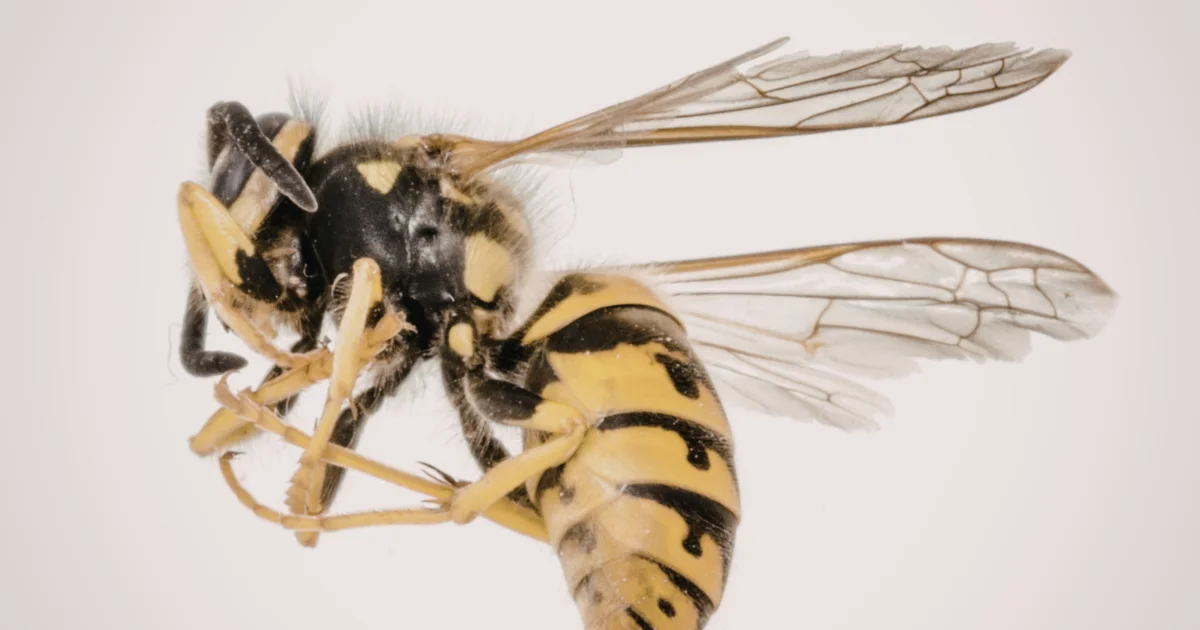
Yellowjackets are aggressive social wasps known for their distinctive yellow and black stripes and painful stings. They are among the most problematic stinging insects in Texas, building large colonies that can house thousands of workers and defending their nests with extreme aggression. Unlike honeybees, yellowjackets can sting repeatedly and often attack in large numbers.
Yellowjackets are scavengers and predators, feeding on sugary substances, proteins (meat), and other insects. They become increasingly aggressive in late summer and fall as colony sizes peak and natural food sources decline. This is when most yellowjacket stinging incidents occur at picnics, outdoor events, and near trash areas.
Yellowjacket Behavior & Nesting
Nesting Habits
Unlike paper wasps that build open, exposed nests, yellowjackets build concealed nests with a paper envelope protecting the internal combs. Nest location varies by species:
Ground-Nesting Yellowjackets
Most Common in Texas
- Build nests in abandoned rodent burrows, under stumps, in ground voids
- Entrance is small hole in ground, often hidden by grass or debris
- Nests can extend several feet underground
- Colonies of 1,000-4,000 workers by late summer
- Extremely aggressive when vibrations disturb nest (lawn mowing)
- Foot traffic or lawn equipment triggers mass attacks
Species: Eastern yellowjacket (Vespula maculifrons) - most common ground-nester in Texas
Aerial-Nesting Yellowjackets
Build Above-Ground Nests
- Construct nests in wall voids, attics, hollow trees, eaves
- Gray, papery envelope surrounds nest structure
- Can be football-sized to basketball-sized by fall
- Prefer protected, enclosed locations
- Multiple entrance/exit holes possible
- Slightly less aggressive than ground-nesters but still dangerous
Species: German yellowjacket (Vespula germanica), Southern yellowjacket (Vespula squamosa)
Seasonal Activity Pattern
Queens emerge from hibernation, search for nest sites, begin building small starter nests
Colony grows rapidly, workers forage for insects to feed larvae, relatively non-aggressive around food
Colony reaches peak size (1,000-5,000 workers), workers seek sugary foods, MOST AGGRESSIVE PERIOD, frequent stinging incidents
Colony dies off after first hard freeze, only fertilized queens survive winter in protected locations
How to Identify Yellowjackets
Physical Characteristics
Body Features
- Bright yellow and black striped pattern
- Smooth, hairless body (unlike bees)
- 1/2 to 5/8 inch long
- Thin waist between thorax and abdomen
Flight Behavior
- Fast, direct flight (not hovering like bees)
- Legs held close to body in flight
- Aggressive flying toward perceived threats
- Side-to-side flying pattern when guarding nest
Temperament
- Highly aggressive when defending nest
- Attack in large numbers
- Persistent - will follow fleeing targets
- Sting repeatedly without dying
- Color: Yellowjackets have bright yellow/black; honeybees are golden/amber; wasps are more black/brown
- Body: Yellowjackets are smooth; honeybees are fuzzy; wasps have long, narrow waists
- Aggression: Yellowjackets are most aggressive; wasps moderate; honeybees least aggressive
- Food Seeking: Yellowjackets aggressively seek human food; honeybees focus on flowers
Signs of Yellowjacket Activity
🕳️ Ground Nest Entrance
Small hole in ground (about 1 inch diameter) with yellowjackets flying in and out. Ground nests are often in open lawns, garden beds, or along building foundations. Entrance may be hidden by grass, leaves, or landscaping. Heavy air traffic during daylight hours.
Where to look: Lawns, garden beds, under decks/sheds, along foundations, tree bases
🏠 Wall Voids or Eave Activity
Yellowjackets entering and exiting through small gaps in siding, soffits, or foundation. Large numbers of yellowjackets congregating around specific areas of building exterior. May hear buzzing inside walls.
Where to look: Siding gaps, soffit vents, foundation cracks, attic vents, weep holes
🍔 Aggressive Food Seeking
Multiple yellowjackets aggressively pursuing food and drinks at outdoor events. Landing on food, plates, and drinks. Becomes worse in late summer and fall when natural food sources decline and colony size peaks.
When: Most aggressive August through October, peak activity midday to afternoon
⚡ Aggressive Defensive Behavior
Yellowjackets flying aggressively toward people in specific areas of yard. Multiple stinging incidents in same location. Yellowjackets emerging quickly when area is disturbed (lawn mowing, gardening). This indicates a nearby nest.
Action: Mark area, keep people/pets away, call pest control immediately
🗑️ Trash Can Activity
Large numbers of yellowjackets around outdoor trash cans, recycling bins, or dumpsters. Yellowjackets scavenging on discarded food and sugary drink containers. Indicates nearby colony actively foraging.
Where to look: Outdoor trash areas, dumpsters, compost bins, recycling containers
🦗 Dead Insects Accumulation
Yellowjackets hunting other insects in large numbers. Accumulation of insect parts (wings, legs) near potential nest sites. Workers return to nest carrying insect prey to feed larvae.
When: Early to mid-summer when colony is growing (workers feed larvae protein/insects)
Yellowjacket Dangers and Health Risks
Why Yellowjackets Are So Dangerous
- Attack in large numbers (50-100+ yellowjackets can emerge from disturbed nest)
- Each yellowjacket can sting multiple times
- Venom contains alarm pheromones that summon more yellowjackets to attack
- Will pursue victims 50-100 feet from nest
- More people die from yellowjacket stings than any other venomous creature in North America
- Responsible for majority of all insect sting-related emergency room visits
Sting Reactions
Immediate sharp pain, redness, swelling at sting site. Itching and discomfort for 24-48 hours. Ice and pain relievers provide relief.
Extensive swelling beyond sting site (entire hand, arm, leg). Swelling increases for 48 hours, lasts 5-10 days. May require medical care.
Whole-body reaction: difficulty breathing, rapid heartbeat, dizziness, hives, swelling of face/throat. LIFE-THREATENING - CALL 911 IMMEDIATELY.
50+ stings can cause toxic reaction even without allergy: nausea, headache, fever, seizures, organ failure. MEDICAL EMERGENCY.
- Difficulty breathing, wheezing, or tight chest
- Swelling of lips, tongue, throat, or face
- Rapid pulse or drop in blood pressure
- Dizziness, fainting, or loss of consciousness
- Widespread hives or rash
- More than 10-15 stings (especially children or elderly)
High-Risk Scenarios
- Mowing lawn over hidden ground nest (most common cause of mass stinging)
- Children or pets playing near nest entrance
- Trimming bushes or trees containing aerial nests
- Outdoor dining in late summer/fall (aggressive food seeking)
- Working near trash areas with heavy yellowjacket activity
Yellowjacket Prevention Strategies
Property Inspection
- Walk property weekly in spring/summer looking for ground nest entrances
- Watch for yellowjacket flight patterns (they fly directly to/from nest)
- Inspect potential nesting sites: rodent burrows, foundation cracks, wall gaps
- Remove early-season nests when small (early spring, queen only)
- Mark suspicious areas and monitor for increased activity
Eliminate Attractants
- Keep outdoor trash cans tightly sealed with secure lids
- Empty trash frequently, especially in late summer
- Rinse recyclables before putting in bins
- Don't leave pet food outdoors
- Clean up fallen fruit from trees immediately
- Cover food and drinks at outdoor gatherings
- Clean BBQ grills after each use
Seal Entry Points
- Fill abandoned rodent burrows (attracts ground-nesting yellowjackets)
- Seal gaps in siding, soffits, and foundation
- Screen attic vents and crawl space openings
- Repair damaged soffit boards and trim
- Caulk cracks around windows and doors
- Install screens over weep holes
Yard Maintenance
- Walk yard before mowing to locate ground nests
- Remove brush piles, logs, and yard debris (nesting sites)
- Fill low spots and depressions in lawn (prevent ground nesting)
- Keep grass cut short to spot ground nest entrances
- Remove tree stumps and dead trees
Outdoor Dining Protection
- Use covered food containers at picnics
- Keep drinks in sealed containers with straws
- Set up decoy food stations away from dining area (disposable protein/sugar source)
- Clean up spills and crumbs immediately
- Don't swat at yellowjackets (increases aggression)
- Avoid wearing bright colors or floral patterns
Trapping Strategy
Important: Only use traps away from living areas
- Place commercial yellowjacket traps 20+ feet from patios/decks
- Use protein-based baits early summer, sweet baits late summer
- Empty and refresh traps weekly
- Multiple traps around property perimeter (not near nest)
- Never place traps near outdoor dining or play areas (attracts more yellowjackets)
Professional Yellowjacket Removal
Why Professional Treatment is Essential
Yellowjacket nest removal is extremely dangerous and should never be attempted by homeowners. Ground nests can contain thousands of yellowjackets that will launch mass attacks if disturbed. Hundreds of stinging incidents and deaths occur annually from DIY yellowjacket removal attempts.
- Pouring gasoline or chemicals down ground nest (fire/explosion hazard, doesn't kill queen)
- Flooding nest with water (ineffective, triggers attack)
- Blocking nest entrance (traps yellowjackets, they'll dig new exits, may enter home)
- Spraying from consumer cans (insufficient range, triggers mass attack)
- Digging up ground nest (extreme danger, mass stinging)
- Using "bombs" or foggers (ineffective, creates panicked yellowjackets)
Our Professional Treatment Process
1. Inspection & Nest Location
- Identify yellowjacket species and nest type (ground vs. aerial)
- Locate all nest entrances and exits
- Estimate colony size based on activity level
- Plan treatment approach and timing
- Identify escape routes and establish safety perimeter
2. Treatment Application
Ground Nests:
- Professional dust insecticide applied directly into entrance
- Dust is carried throughout nest by workers
- Treatment performed at dusk or after dark (all yellowjackets in nest)
- Complete colony elimination within 24-48 hours
Aerial Nests:
- Direct spray application to nest and entrance
- Professional-grade aerosol with 15-20 foot range
- Quick knockdown to prevent mass attack
- Follow-up dust application for hidden portions
Wall Voids:
- Dust application through entrance holes
- Multiple entry points treated simultaneously
- Monitoring to ensure complete elimination
- Wall void sealing after nest death confirmed
3. Nest Removal & Prevention
After colony elimination (24-48 hours):
- Safe excavation and removal of ground nests
- Aerial nest removal and disposal
- Treatment of nest cavity to prevent reuse
- Fill and seal ground nest sites
- Perimeter barrier treatment to prevent new colonies
Treatment Timing
- Best time: Early spring when only queen is present (easiest removal)
- Active season: Dusk or after dark when all workers are in nest
- Emergency: Same-day service available, but increased difficulty during peak daylight activity
Yellowjacket Removal Costs in Texas
Pricing varies based on nest size, location, accessibility, and number of nests. Most treatments completed in single visit. Follow-up visit for nest removal included.
Frequently Asked Questions
What should I do if I accidentally disturb a ground nest?
RUN AWAY IMMEDIATELY in a straight line. Get indoors or into a vehicle as quickly as possible. Yellowjackets won't follow you through closed doors. Don't swat at them - this releases more alarm pheromones. Once safe, call pest control immediately and keep all people and pets away from the area. Mark the location from a safe distance to help the technician locate it.
How can I find a ground nest before mowing?
Walk your yard slowly before mowing, watching for yellowjacket activity. Ground nest entrances show heavy air traffic with yellowjackets flying directly in and out of a small hole. The entrance is often at soil level, sometimes hidden by grass. Watch the flight pattern - yellowjackets fly straight to/from nests. If you see concentrated activity in one spot, stop and call professionals. Mowing over nests is the #1 cause of mass stinging incidents.
Why are yellowjackets so aggressive in late summer?
Several factors: (1) Colony population peaks at 1,000-5,000 workers in August-September, (2) Natural food sources (insects, nectar) decline, making them aggressive scavengers, (3) Worker yellowjackets are no longer feeding larvae, so they focus on sugary foods for themselves, (4) Colonies are preparing for winter, making them more defensive. This combination makes late summer the most dangerous time for yellowjacket encounters.
Can I kill yellowjackets without removing the nest?
No. Killing individual foraging yellowjackets doesn't solve the problem - the colony can contain thousands of workers and the queen continues producing more. The nest must be treated and eliminated. Attempting to block the entrance without killing the colony is dangerous - yellowjackets will chew through drywall or create new exits, potentially entering your home.
How long does it take for yellowjackets to die after treatment?
Professional dust treatments eliminate the colony within 24-48 hours. Yellowjackets carry the dust throughout the nest on their bodies, spreading it to other workers and the queen. Activity decreases significantly within hours, but complete elimination takes 1-2 days. We return after 24-48 hours to remove the nest and confirm elimination. Any surviving yellowjackets away foraging will return, contact the treatment, and die.
Do yellowjackets reuse nests the next year?
No. Yellowjacket colonies die completely each winter after the first hard freeze. Only fertilized queens survive, hibernating in protected locations (logs, leaf litter, wall voids). In spring, each queen starts a new colony in a new location. However, the same property features that attracted last year's colony may attract new queens, so preventative treatment is recommended in areas with recurring yellowjacket problems.
Need Yellowjacket Nest Removal?
Emergency same-day service available. Don't risk a mass stinging attack. Licensed professionals with specialized equipment.